
2026-06-15 22:31:53
20 Critical Thinking Activities for Grades 1–6
Critical thinking is one of the most important skills children can develop during their early school years. It helps students analyze information, solve problems, make decisions, and think independently. In today's fast-changing world, children need more than memorization skills—they need the ability to ask questions, evaluate ideas, and find creative solutions. Whether at home or in the classroom, parents and teachers can encourage critical thinking through engaging activities that challenge young minds and promote curiosity.
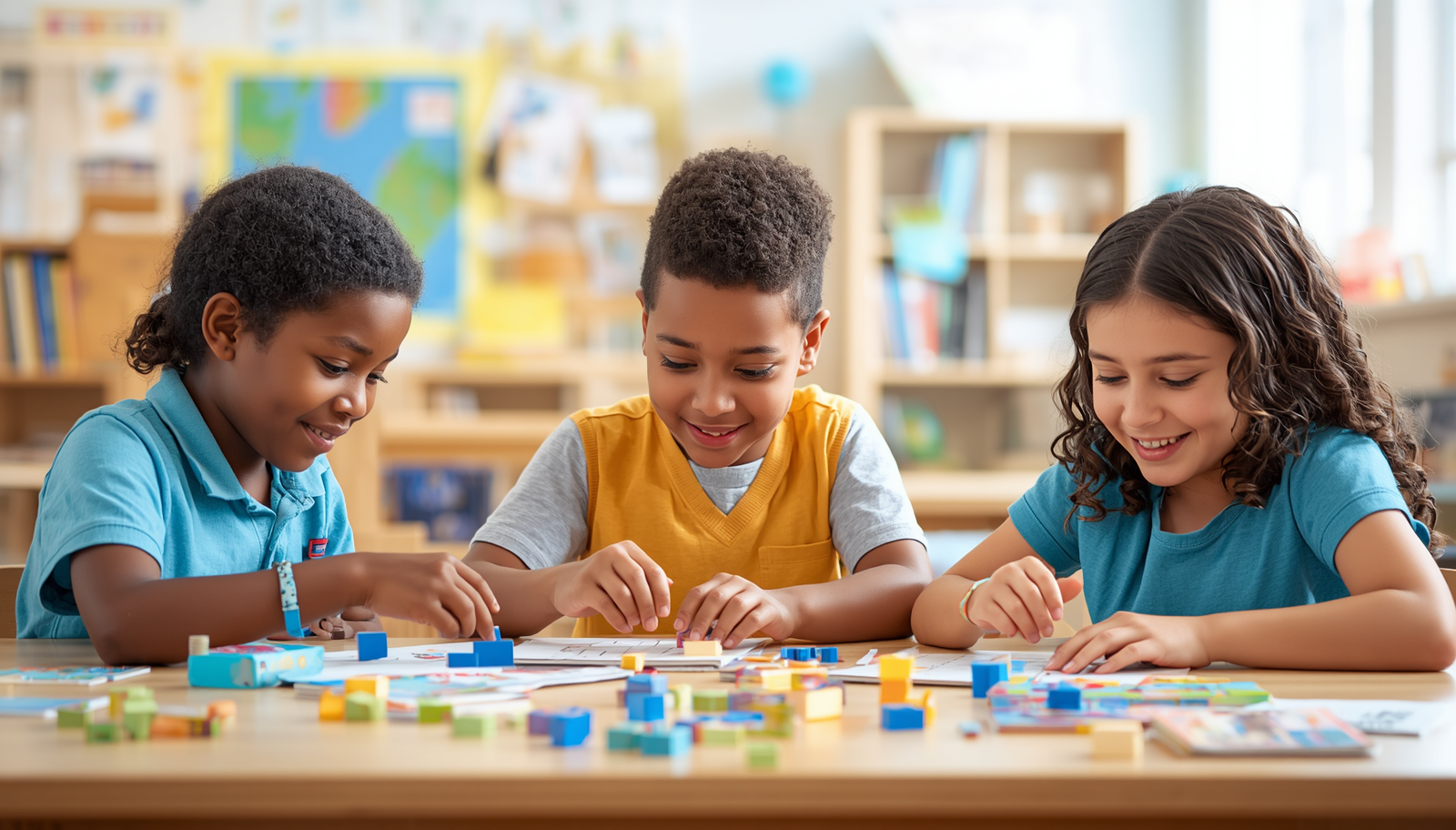
For students in Grades 1–2, simple activities can build the foundation for critical thinking. Encourage children to sort objects by different attributes such as color, size, or shape and explain their reasoning. Ask open-ended questions while reading stories, such as "What do you think will happen next?" or "Why did the character make that choice?" Other effective activities include picture analysis, matching games, identifying patterns, solving simple riddles, and comparing two objects. These activities help children observe carefully, recognize relationships, and express their thoughts clearly.
Students in Grades 3–4 are ready for more complex challenges that require reasoning and problem-solving. Some excellent activities include logic puzzles, treasure hunts with clues, brainstorming multiple solutions to a problem, creating alternative endings to stories, and conducting simple science experiments. Encourage children to explain their thinking process rather than simply providing the correct answer. Debates on age-appropriate topics, categorization exercises, and "What if?" scenarios also help students develop analytical skills while learning to consider different perspectives.
For Grades 5–6, critical thinking activities can focus on evaluation, research, and decision-making. Students can analyze advertisements, compare news sources, solve real-world problems, participate in mock debates, and work on project-based learning tasks. Other valuable activities include designing inventions, interpreting graphs and data, evaluating environmental issues, conducting surveys, and presenting evidence-based arguments. These experiences help children learn how to gather information, assess credibility, and support their opinions with logical reasoning. Such skills prepare them for future academic success and responsible decision-making.
Here are 20 critical thinking activities to try: sorting and classification, pattern recognition, story prediction, picture analysis, riddles, comparison charts, logic puzzles, brainstorming sessions, treasure hunts, science experiments, alternative story endings, categorization challenges, "What if?" discussions, debates, problem-solving scenarios, advertisement analysis, data interpretation, invention design, surveys and research projects, and evidence-based presentations. By regularly incorporating these activities into learning routines, parents and teachers can nurture confident, curious, and independent thinkers. The goal is not just to find the right answer but to help children understand how to think, question, and learn throughout their lives.